
Get Indoor Air Quality Testing in Alpine, UT
Indoor Air Quality Testing services for property owners in Alpine, UT, and nearby areas identify issues like mold, allergens, and pollutants to improve health and safety.
Indoor air quality testing services provide property owners in Alpine, UT with valuable insights into the cleanliness and safety of the air inside their buildings. By identifying potential pollutants, allergens, and mold presence, these services help ensure a healthier living or working environment. Improved air quality can enhance overall comfort, support respiratory health, and contribute to a more inviting atmosphere for residents and visitors alike.
Choosing professional indoor air quality testing can also lead to benefits such as increased safety, reduced risk of airborne illnesses, and enhanced building functionality. Detecting issues early allows for targeted solutions that can improve indoor air circulation, lower maintenance needs, and help preserve the durability of HVAC systems and building materials. Additionally, maintaining high air quality can boost curb appeal, making properties more attractive to prospective buyers or tenants.
- Indoor air quality testing services are essential for identifying pollutants and allergens in residential or commercial spaces in Alpine, UT and surrounding areas.
- They are recommended when occupants experience unexplained respiratory issues or persistent odors indoors.
- These services are useful for detecting mold, volatile organic compounds (VOCs), or other airborne contaminants in homes or workplaces.
- Indoor air quality testing can assist property owners in evaluating the effectiveness of ventilation systems and air purifiers.
- Contact local service providers to determine the appropriate testing methods for specific indoor air concerns.
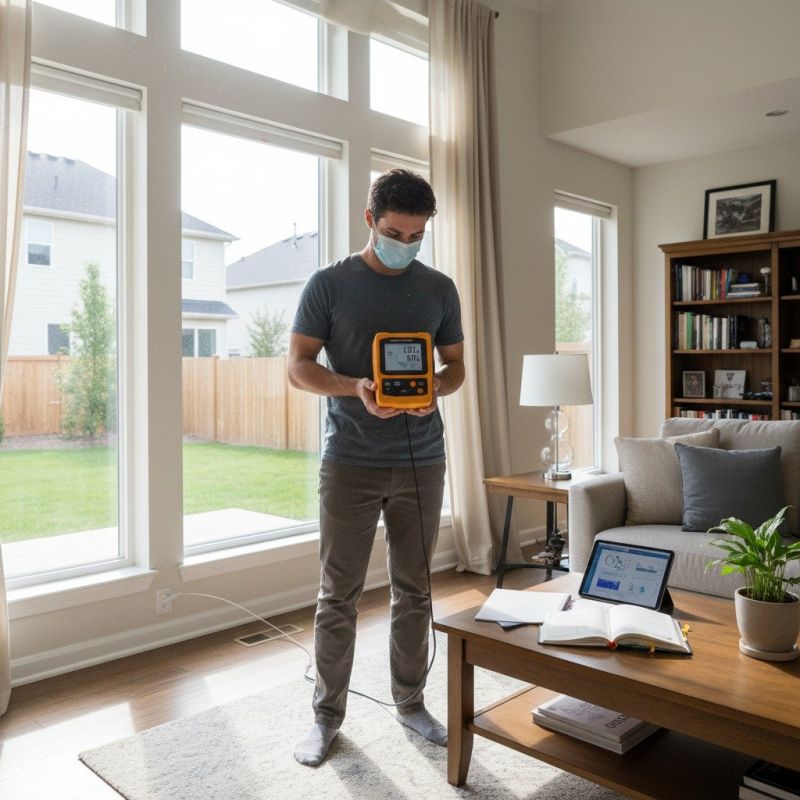
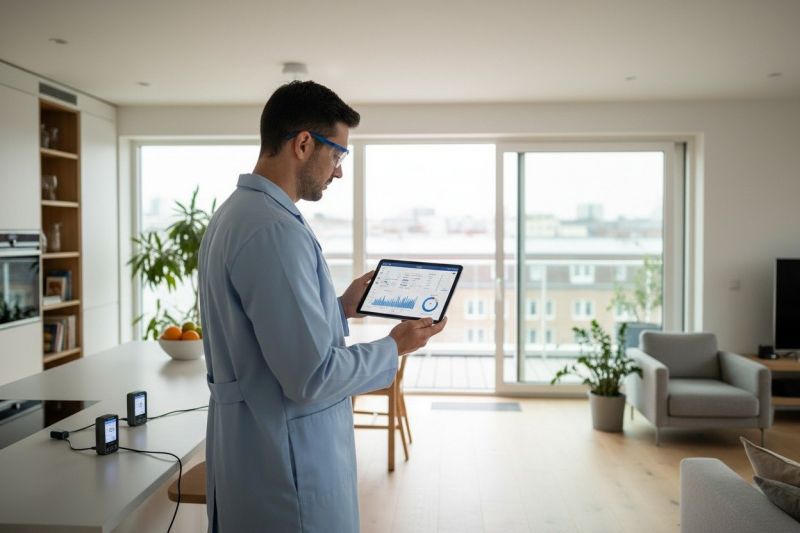

Indoor Air Quality Testing services involve assessing the air within a property to identify pollutants, allergens, and other airborne contaminants. These services typically include collecting air samples from various areas inside a building and analyzing them to detect issues such as mold spores, volatile organic compounds (VOCs), dust particles, and other potential irritants. The goal is to provide a clear understanding of the indoor air environment, helping property owners determine if air quality concerns may be affecting health or comfort.
These testing services help address common problems related to poor indoor air quality, such as allergies, respiratory issues, or unexplained odors. They can reveal the presence of mold growth behind walls or in hidden areas, elevated levels of allergens like dust mites or pet dander, and chemical emissions from building materials or household products. By identifying specific pollutants, property owners can take targeted actions to improve air quality, which may include cleaning, ventilation improvements, or remediation procedures.
Indoor Air Quality Testing is often utilized in a variety of property types, including residential homes, commercial buildings, schools, and healthcare facilities. Homes that have experienced recent water damage, mold growth, or persistent odors may benefit from testing to ensure a healthy living environment. Commercial spaces, especially those with high occupancy or sensitive environments, may also require testing to maintain safe and comfortable conditions for employees and visitors.
Partnering with local professionals for indoor air quality testing provides property owners with expert insights into their indoor environment. These specialists use specialized equipment and techniques to accurately identify issues and recommend appropriate solutions. Whether addressing health concerns, preparing for property transactions, or maintaining a safe workplace, engaging experienced service providers ensures a thorough assessment of indoor air conditions.
The overview below groups typical Indoor Air Quality Testing projects into broad ranges so you can see how smaller, mid-sized, and larger jobs often compare in Alpine, UT.
In many markets, a large share of routine jobs stays in the lower and middle ranges, while only a smaller percentage of projects moves into the highest bands when the work is more complex or site conditions are harder than average.
Initial Testing Costs - Indoor air quality testing typically costs between $200 and $500 for basic assessments, including sample collection and lab analysis. Prices can vary based on the size of the space and the scope of testing needed.
Advanced Testing Services - More comprehensive testing, such as mold or chemical exposure assessments, generally ranges from $500 to $1,500. These services often include detailed reports and multiple sample analyses.
Additional Sampling Fees - If multiple areas or specific pollutants are tested, additional sample collection may cost $50 to $150 per sample. This can increase the overall cost depending on the extent of testing required.
Consultation and Follow-up - Some providers offer consultation services starting around $100 to $300, which may include interpreting test results and recommending remediation steps. Costs vary based on the complexity of the assessment.
Actual totals will depend on details like access to the work area, the scope of the project, and the materials selected, so use these as general starting points rather than exact figures.
Indoor Air Quality Testing services help identify pollutants and allergens present in residential or commercial indoor environments. Local professionals can assess air quality to determine potential health risks and recommend appropriate solutions.
Environmental Monitoring involves measuring airborne contaminants, such as mold spores, volatile organic compounds (VOCs), and particulate matter, to ensure indoor spaces meet safety standards. Specialists provide testing to pinpoint sources of indoor air issues.
Mold and Mildew Testing services detect the presence of mold spores and other fungal growths that can impact indoor air quality. Local experts can identify hidden mold problems and advise on remediation strategies.
Radon Testing services measure radon levels within indoor spaces, which can pose health concerns over time. Professionals can conduct testing to evaluate radon concentrations and suggest mitigation if necessary.
Air Quality Assessment involves comprehensive evaluations of indoor environments to identify pollutants affecting occupant health. Service providers offer testing to help improve overall indoor air conditions.
Particulate Matter Testing services analyze airborne particles, including dust, pollen, and smoke, that can impact indoor air quality. Local specialists can perform testing to determine sources and recommend filtration options.

Indoor Air Quality Testing services are offered by a variety of local professionals, each with different levels of experience and areas of expertise. When comparing options, homeowners should consider how long a provider has been performing air quality assessments and whether they have a solid track record within the community. Established providers often have a history of working with local residents and businesses, which can be a helpful indicator of reliability. Gathering information about a professional’s background can help ensure that the testing is thorough and accurate, providing a clearer understanding of the indoor air conditions.
Clear communication and well-defined expectations are essential when selecting an indoor air quality testing provider. Reputable local pros typically explain their testing procedures, what homeowners can expect during the process, and how the results will be delivered. It’s important to seek providers who are transparent about their services and can answer questions in a straightforward manner. Establishing open lines of communication early on can help prevent misunderstandings and ensure that homeowners receive the information they need to make informed decisions about their indoor air quality.
References and reputation are valuable factors to consider when evaluating local indoor air quality testing services. Homeowners are encouraged to seek out reputable references or reviews from previous clients to gauge the quality of service and professionalism. Trusted local providers often have a history of positive feedback from community members, which can serve as a useful resource. Since the information below connects users with local pros, it’s recommended to review multiple options, compare their experience levels, communication styles, and references, and choose a provider that aligns with individual needs and expectations.
Property owners in Alpine, UT use Indoor Air Quality Testing services for practical projects around their homes and businesses. The sections below highlight everyday jobs and straightforward project options.
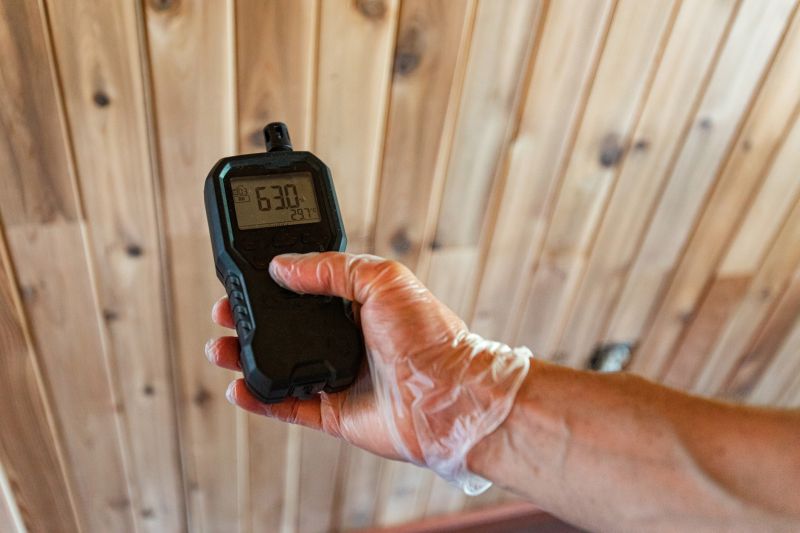
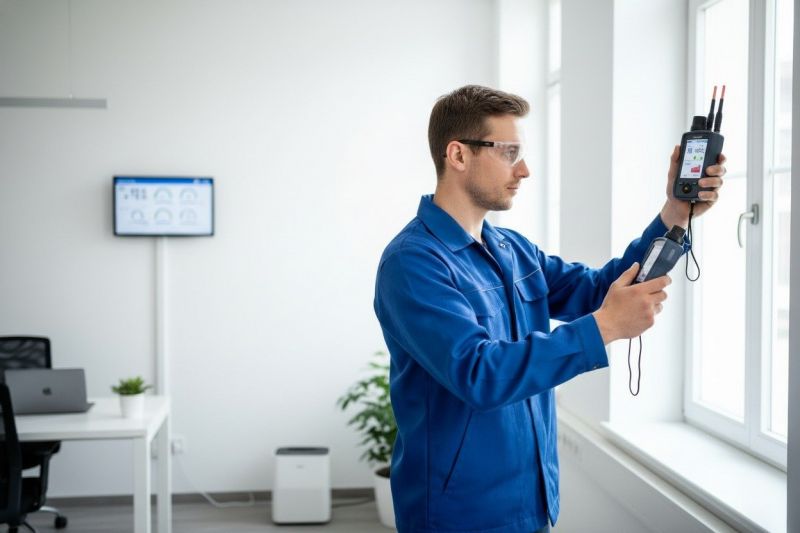
Indoor air quality testing services are often sought by property owners in Alpine, UT who notice persistent odors, indoor allergies, or unexplained respiratory issues. These tests can help identify pollutants such as mold, dust, or airborne chemicals that may be affecting the comfort and health of residents. Homeowners and business owners might also consider testing when undertaking renovations or after water damage to ensure that indoor environments remain safe and healthy.
Additionally, property owners may look for indoor air quality testing when installing new heating or ventilation systems, or if they suspect poor air circulation is contributing to mold growth or other indoor air concerns. Regular testing can provide peace of mind by pinpointing potential issues early, allowing for targeted solutions to improve indoor environments. Local service providers can assist with comprehensive assessments tailored to specific property needs.
What is indoor air quality testing? Indoor air quality testing involves assessing the levels of pollutants, allergens, and other airborne substances inside a building to identify potential health risks.
Why should I consider indoor air quality testing? Testing can help detect pollutants that may cause allergies, respiratory issues, or other health concerns, especially in homes or workplaces with suspected air quality problems.
What types of pollutants are checked during testing? Common pollutants include mold spores, dust, pet dander, volatile organic compounds (VOCs), and other airborne contaminants.
How do local professionals perform indoor air quality testing? Certified service providers typically use specialized equipment to collect air samples and analyze them for various pollutants to determine air quality levels.
How can I improve indoor air quality after testing? Based on test results, professionals may recommend solutions such as improved ventilation, air purifiers, or remediation services to enhance air quality.
Indoor Air Quality Testing Options - Local service providers offer a variety of testing methods to identify airborne pollutants and allergens inside residential and commercial spaces.
Benefits of Professional Testing - Professional testing can help detect hidden contaminants that may affect health and comfort, providing valuable insights for improvement.
Choosing a Testing Service - Contact local indoor air quality specialists to discuss testing solutions tailored to specific concerns and property types.
Next Steps After Testing - Once testing is complete, service providers can recommend appropriate solutions to improve indoor air quality based on the results.
Considering Indoor Air Quality Testing for a property in Alpine, UT? The sections above highlight common project types, practical options, and details that often shape the scope of work.
When you are ready, use the quote form to share a few details about your project. Local pros can review the basics and respond with options that match what you have in mind.